A Guide to Health and Safety for Children - When to Call the Doctor

When to Call the Doctor
As parents, we have all experienced our child being sick. Many times you have questioned if it's serious enough to call the doctor. If you are like me, you have called a family member with health questions or looked to the Internet to search for the answers to your child's symptoms. To help with your questions, here is a handy guide to health and safety for children and when you should give your child's doctor a call.
Below are the most common symptoms you will find dealing with a childhood illness. If you feel that the symptoms are unusual or are not responding to the appropriate medicine, don't hesitate to call the doctor for futher medical advice or to schedule an appointment. When dealing with your child's health and safety, it is always better to be safe than sorry.
Check Your Child's Temperature
Fever
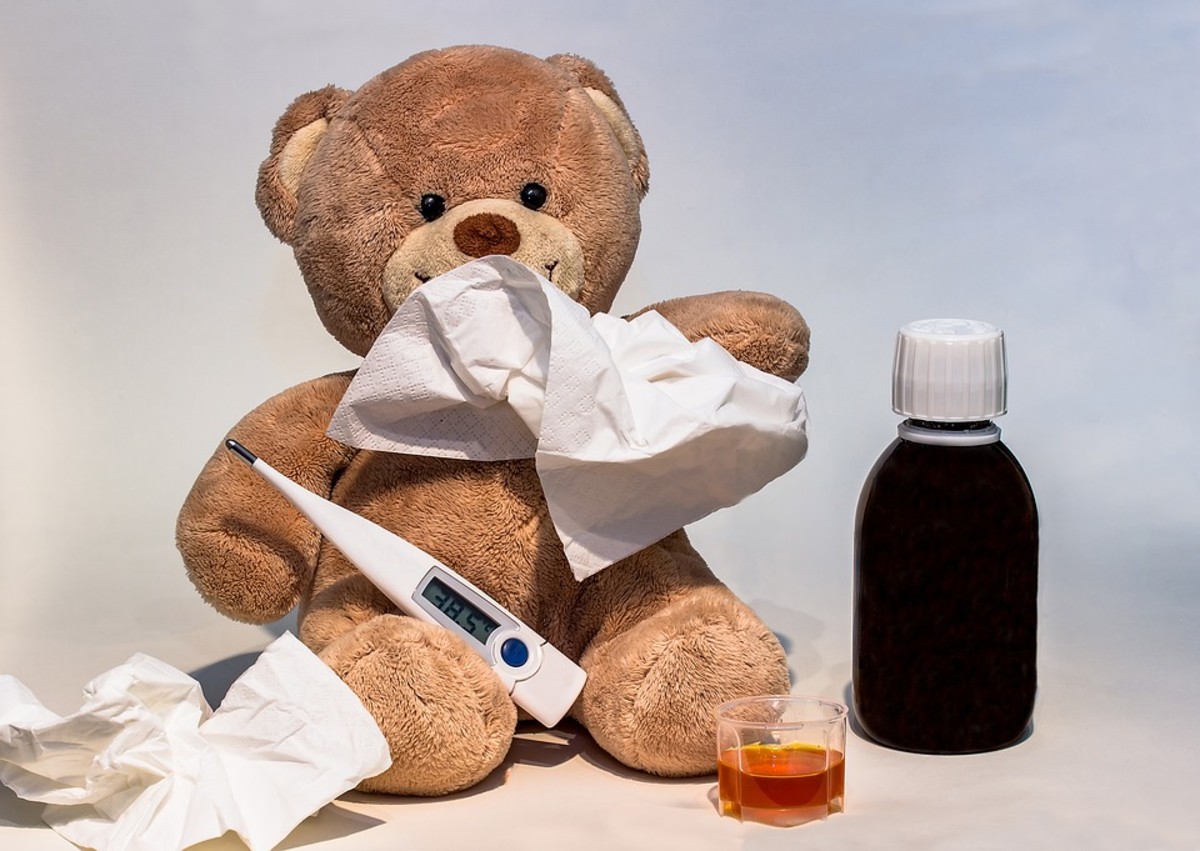
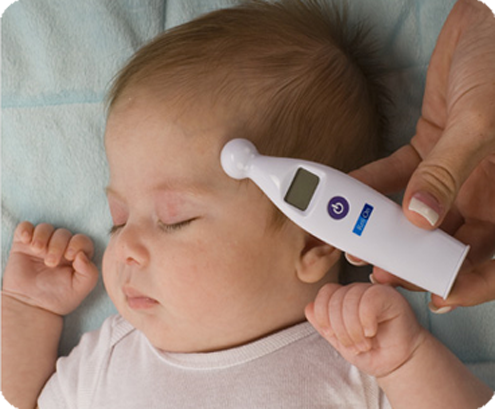
A fever is a very common symptom when an infection is present. Listed below is a good guide to let you know when a call to the doctor is necessary:
- Age 0-6 months - Call the doctor when temperature is over 100 degrees. They are still considered newborn and their small bodies may not be strong enough to be able to fight off a serious infection.
- Age 6 months to 2 years - Call the doctor immediately when temperature is over 103 degrees. Make sure you mention any other unusual symptoms your child is displaying so the doctor will be able to advise you on what medicine to give or whether a trip to the emergency room is necessary.
- Age 2 years and up - Call the doctor when temperature is over 103 degrees and they are not responding to their fever reducing medication. Also mention any other unusual symptoms in case you need to take them straight to the emergency room.
Calling your doctor is also necessary when your child has ran a fever for more than 5 days. If the fever reducer medicine is not helping, a more serious illness could be the root of the problem.
Note: Be aware of any rash, headache, or stiff neck that accompanies a high fever, these are all symptoms of meningitis and should be checked out immediately!
Check Your Child's Rash
Rash
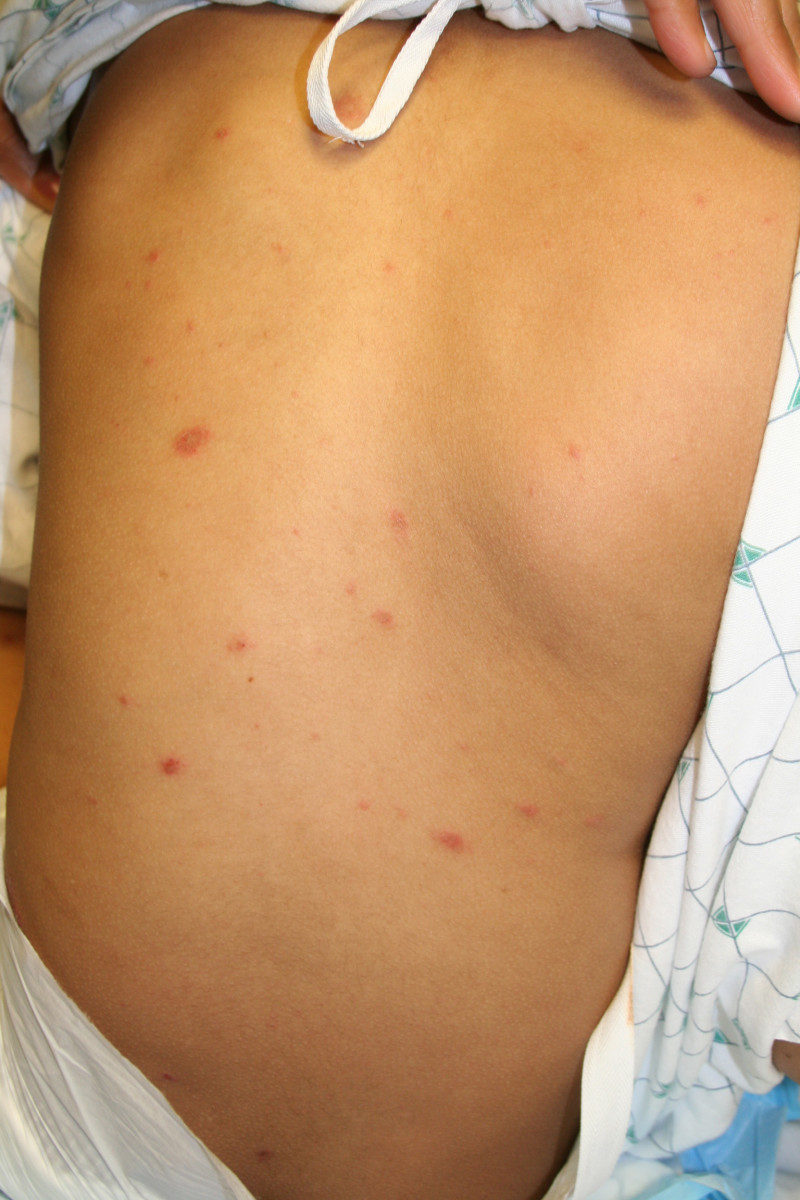
A rash is another common symptom of a childhood illness. They can be caused by a number of reasons including infection, allergic reactions, or other more serious problems. Below are a few situations where a call to the doctor is necessary:
- If you feel that the rash has been caused by an allergic reaction, watch for signs of swelling of the face area especially around and inside of the mouth. Also watch for signs of agitation or difficulty breathing. If you notice any of these signs, call the doctor immediately or go to the nearest emergency room.
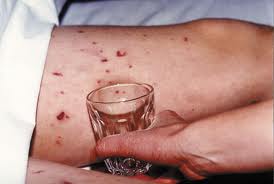
- Rashes that look more like a bruise on the body could signal a blood disorder and needs medical attention as soon as possible. If small red dots accompany the bruising rash, also seek a doctor to rule out possible meningitis.
- Any other type of rash that looks unusual or are causing your children great pain and discomfort deserves a call to your doctor. If allergy medicines such as Benadryl are not working, a more serious issue could be present.
When to Call the Doctor Video
Dehydration
If your child is displaying any of the symptoms of dehydration, a call to the doctor or trip to the emergency room is necessary. Below is a list of symptoms to help if you think your child may be suffering from dehydration:
- Dry or bluish tint of mouth and lips
- Decreased urination
- Dry skin
- Excessive vomiting and/or diarrhea
- Crying but no tears
Stomach Pains
Stomach pains is yet another common symptom in a childhood illness. These type of pains are usually caused by some sort of infection or bacteria present in the body. In this situation, you will most likely have to use your parent's intuition especially with an infant or toddler. If your baby is running a fever, cannot be consoled, body tensing up, and crying intensely, a stomach issue could be present that will need to be checked out by a doctor.
For an older child, try to get your child to tell you where the intense pain is located. Stomach pains on the lower right side accompanied with vomiting and high fever could be warning signs of an appendicitis and needs to be checked out right away to prevent any more health complications.
Child Health Guides

Breathing Problems
If your child seems to be having trouble breathing, call the doctor right away or go to your nearest emergency room. Breathing problems can be caused by allergic reactions, heart or lung problems, obstruction of wind pipe, or other serious infections. Below are some signs that your child is experiencing issues with his or her breathing:
- Your child's face especially around the mouth area has a bluish tint.
- Coughing so hard he or she cannot catch their breath.
- Listen for any other unusual sounds such as wheezing, panting, or grunting accompanying your child's breathing.
Child Health Poll
Where do you go to find information on your child's health?
Kid's Health and Safety
Dealing with the issues of health and safety for children, a good rule of thumb to follow is when in doubt - call the doctor. Your intuition as a parent will let you know when something is seriously wrong with your child. If you feel that your child is behaving strangely and displaying unusual symptoms, it is best to call the doctor to address any potential health problems.
Remember - it is always best to be safe than sorry! Your child's health and safety is nothing to mess around with. Many pediatricians and insurance companies have 24 hour health hot-lines you can call when you are in doubt. The hot-line can help suggest over the counter medications or whether a trip to the doctor's office or emergency room is indeed necessary.
I hope this article has been a helpful guide to health and safety for children and you have picked up helpful tips for when you should call a doctor. If you have enjoyed this article, be sure to check out A Guide to Health and Safety for Children - Preventing Common Kid Injuries.